
The complete guide
Buying Guide
Elevated Garden Bed | Raised Garden Beds | Raised Beds For A Garden
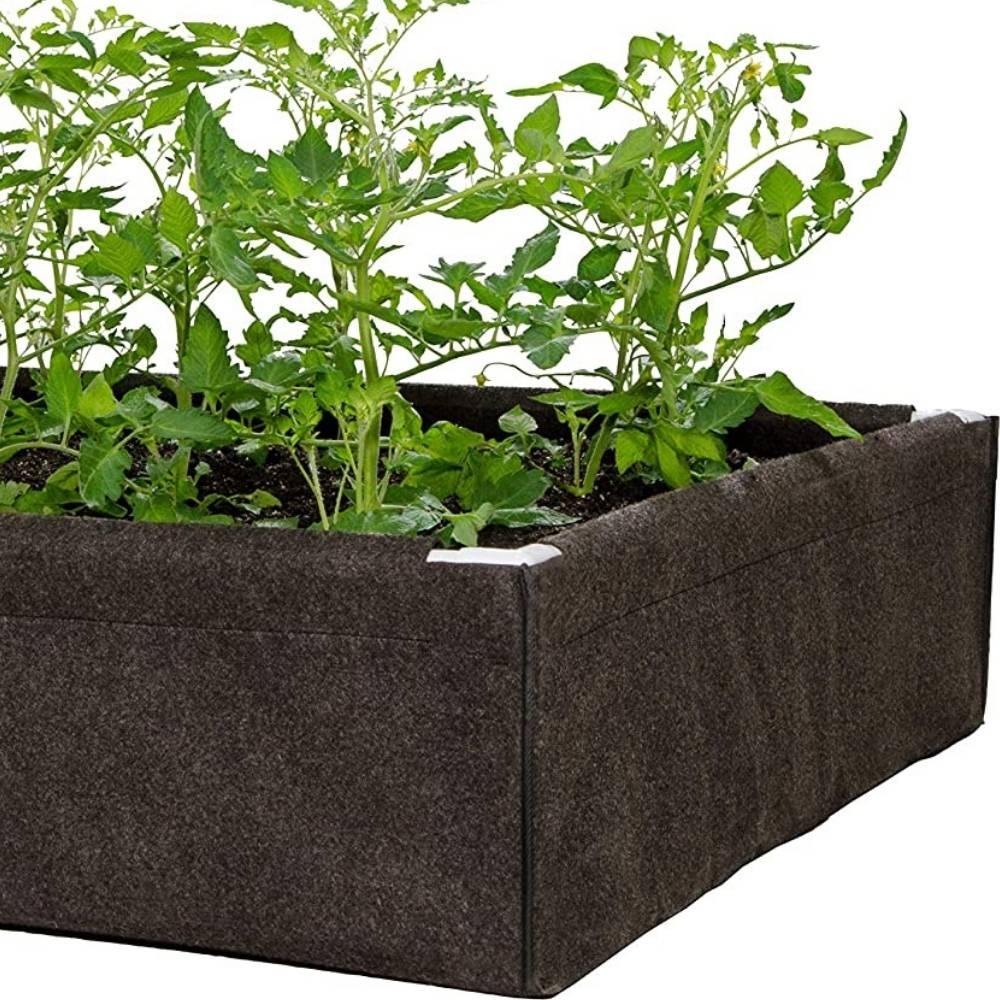
This planting box is made of high-quality resin and will withstand both hot & cold weather
FREE FAST SHIPPING ACROSS THE USA FOR ALL ORDERS $75+ OR MORE - (Save $25)
With stylish rattan pattern look wall plates (leak proof), the garden bed is also light-weight and handsome for gardens, patios, balconies, restaurants, cafes and anywhere that could use plant life.
SPECIFICATIONS


Self-Aerating reservoir design, minimises root rot. (drains and stores water) . Makes planting easy!
stylish
With a stylish rattan pattern look, the raised planter box is a perfect decoration for your garden, patio and yard, bringing you a natural and colourful elevated garden bed
Easy to Assemble
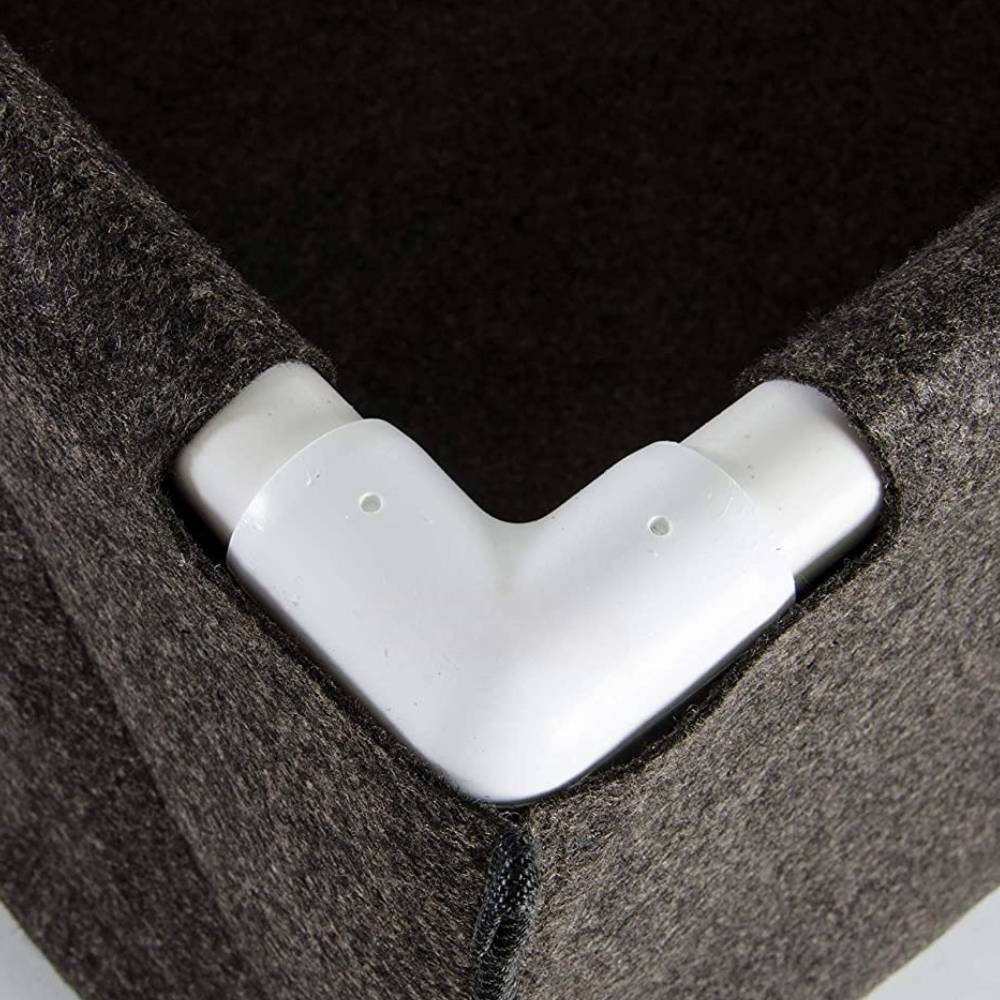
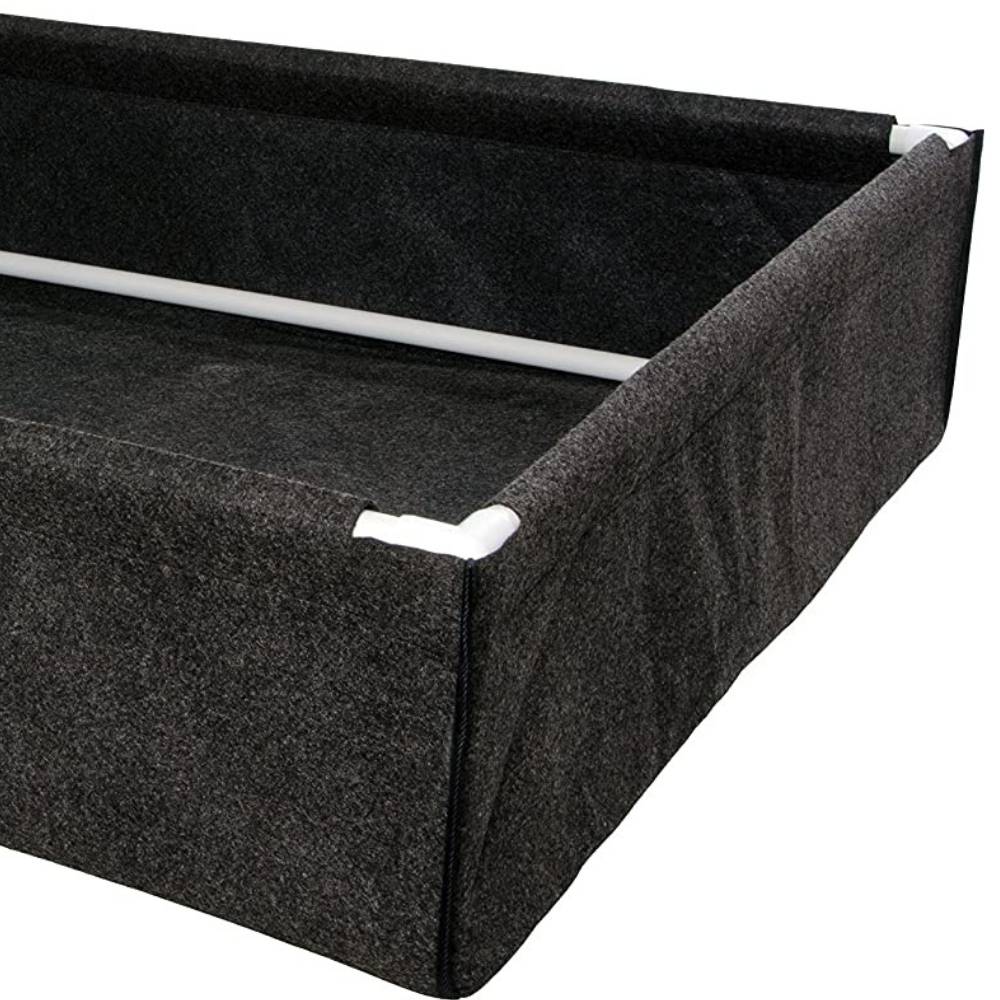
The self watering elevated garden planter comes complete with accessories for quick and easy assembly. Simply mount the self watering disk, side plate, columns and small parts


Cultivate Wellness with an Elevated Garden Bed
Gardening offers numerous physical, mental, and emotional benefits, especially for seniors and individuals in assisted living environments. An elevated garden bed provides an accessible and enjoyable way to engage in gardening without the physical strain associated with traditional ground-level gardening. In this blog post, we will explore the benefits of using raised garden beds and raised beds for a garden, and how they can enhance the quality of life for residents in assisted living facilities.
What is an Elevated Garden Bed?
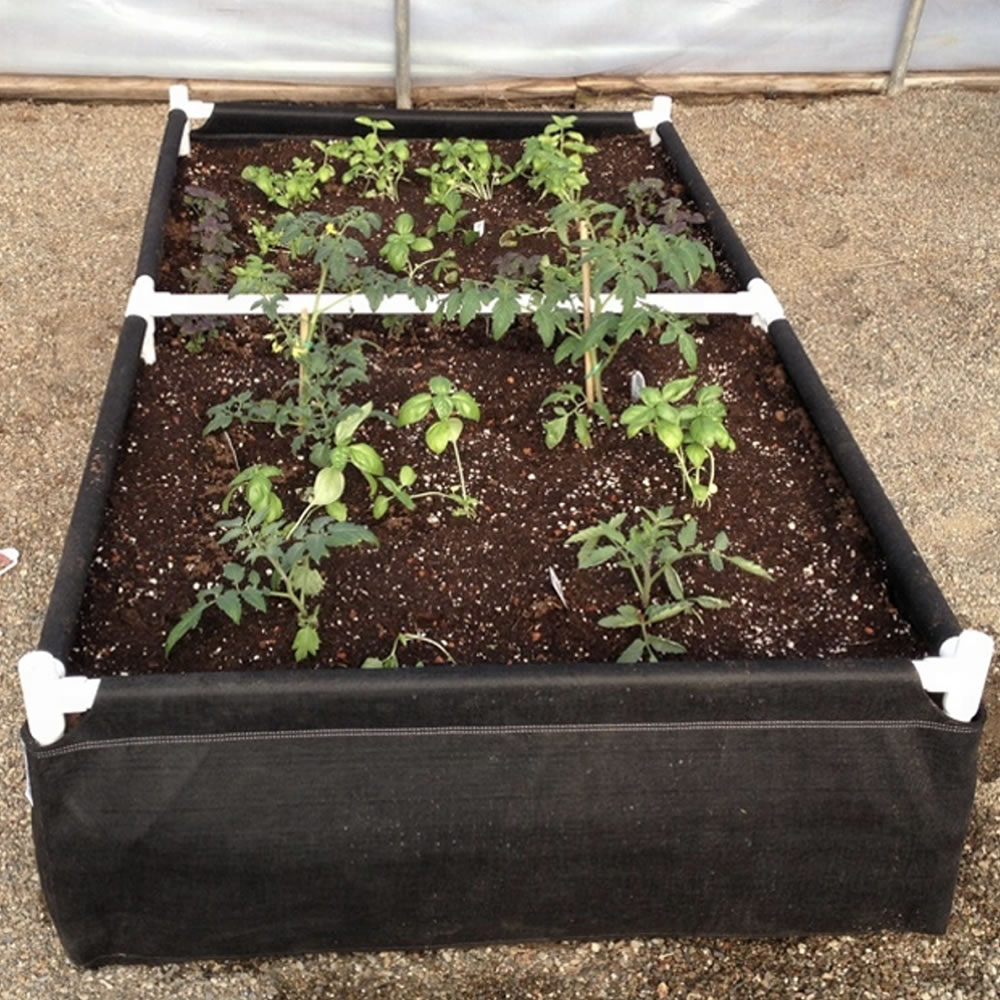
An elevated garden bed is a gardening structure that raises the planting area above ground level, making it easier to access without bending or kneeling. These raised garden beds come in various sizes and materials, offering a convenient and ergonomic way to grow flowers, vegetables, and herbs. Raised beds for a garden are ideal for those who enjoy gardening but may have limited mobility or other physical challenges.
Better Soil Control
Raised beds for a garden provide better control over the soil quality. Gardeners can choose the best soil mix for their plants, ensuring optimal growing conditions. The contained environment of raised garden beds also helps prevent soil compaction and improves drainage, leading to healthier plants and more bountiful harvests.
Fewer Garden Pests
An elevated garden bed can help reduce the presence of common garden pests, such as slugs and snails, which are less likely to reach plants that are raised off the ground. Additionally, raised garden beds make it easier to manage and remove weeds, reducing the amount of time and effort required to keep the garden looking its best.
Suitable for Various Plants
Raised beds for a garden are versatile and can be used to grow a wide variety of plants, including flowers, vegetables, and herbs. These garden beds can be placed in different locations around the assisted living facility, such as patios, balconies, or garden areas, making them a flexible solution for maximizing gardening space.
Community Gardening
Gardening in an elevated garden bed can be a social activity, promoting interaction among residents. Assisted living facilities can create community garden areas with multiple raised garden beds, where residents can work together, share gardening tips, and enjoy the camaraderie that comes with a shared passion for gardening.
Choosing the Right Elevated Garden Bed
When selecting raised beds for a garden, consider the following factors:
- Height: Choose a height that is comfortable for the user, typically between 24 to 36 inches.
- Material: Opt for durable materials such as wood, metal, or composite, which can withstand outdoor conditions.
- Size: Consider the available space and choose a size that accommodates the plants you wish to grow.
- Drainage: Ensure the garden bed has proper drainage to prevent waterlogging and promote healthy plant growth.
Assisted Living Facilities
In assisted living facilities, elevated garden beds provide residents with a safe and accessible way to engage in gardening. These raised garden beds can be placed in communal outdoor spaces, encouraging residents to participate in gardening activities and enjoy the benefits of being outdoors.
Home Gardens
For residents who have personal garden spaces, raised beds for a garden offer a practical solution for growing plants without the need for extensive ground preparation. These beds can be used to create beautiful and productive gardens, even in small spaces.
Caring for Your Elevated Garden Bed
To ensure your raised garden beds remain in top condition and provide a thriving environment for plants:
- Regular Watering: Monitor moisture levels and water the plants as needed, ensuring the soil remains evenly moist.
- Soil Maintenance: Refresh the soil annually with compost or organic matter to maintain nutrient levels.
- Pest Management: Keep an eye out for pests and take action to protect your plants using natural pest control methods.
- Seasonal Care: Prepare the garden bed for each season by planting appropriate crops and protecting plants from extreme weather.
Conclusion
An elevated garden bed offers a blend of accessibility, versatility, and enhanced garden management, making it an essential addition to assisted living environments. Whether you choose raised garden beds for flowers, vegetables, or herbs, you’ll find that these garden beds provide an enjoyable and rewarding gardening experience. Explore our selection of high-quality raised beds for a garden and bring the joy of gardening to your assisted living facility, enhancing the lives of residents with a touch of nature and creativity.
Water will drain through so I recommend you put them on a platform somewhere the water won’t collect and cause mold.
I used both and it works fine and my zucchinis are growing healthy as we speak.
Is it eco friendly?
The statement of eco-friendly is predicated on the ability of these devices to slowly provide water to a specific area over a period of time (15 gallon in 5-8 hours). This prevents unintended wasting of water (a very precious natural resource) through use of unmonitored/uncontrolled running of hoses, non-timed sprinkler systems, etc.The average GPM (Gallon per Minute) supplied by a garden hose is ~12. Using simple math; 12 x 60 = 720 gallons per hour. At 5 hours (5 x 720), this equates to 3600 gallons. Hydro-Seep uses .004 of that quantity.